Educational role-playing game · Learning values · Ages 8 to 12

Rolin is more than a game. It's a place where your child can practise becoming a better person.

Your child isn't misbehaving. They're practising how to get it right.

An educational role-playing programme where children build real strengths – empathy, responsibility, handling conflict – while thinking they're simply playing.

🏫 Born of years of experience in school settings and school dining halls
🧭 Designed by specialists in conflict management
🎲 For children aged 8 to 12
🌐 In English, Spanish and Catalan
What Rolin is

A safe laboratory, disguised as an adventure

Rolin is a method for learning values through a role-playing game. Each adventure is a series of missions in which your child builds real strengths: emotional, behavioural and social.

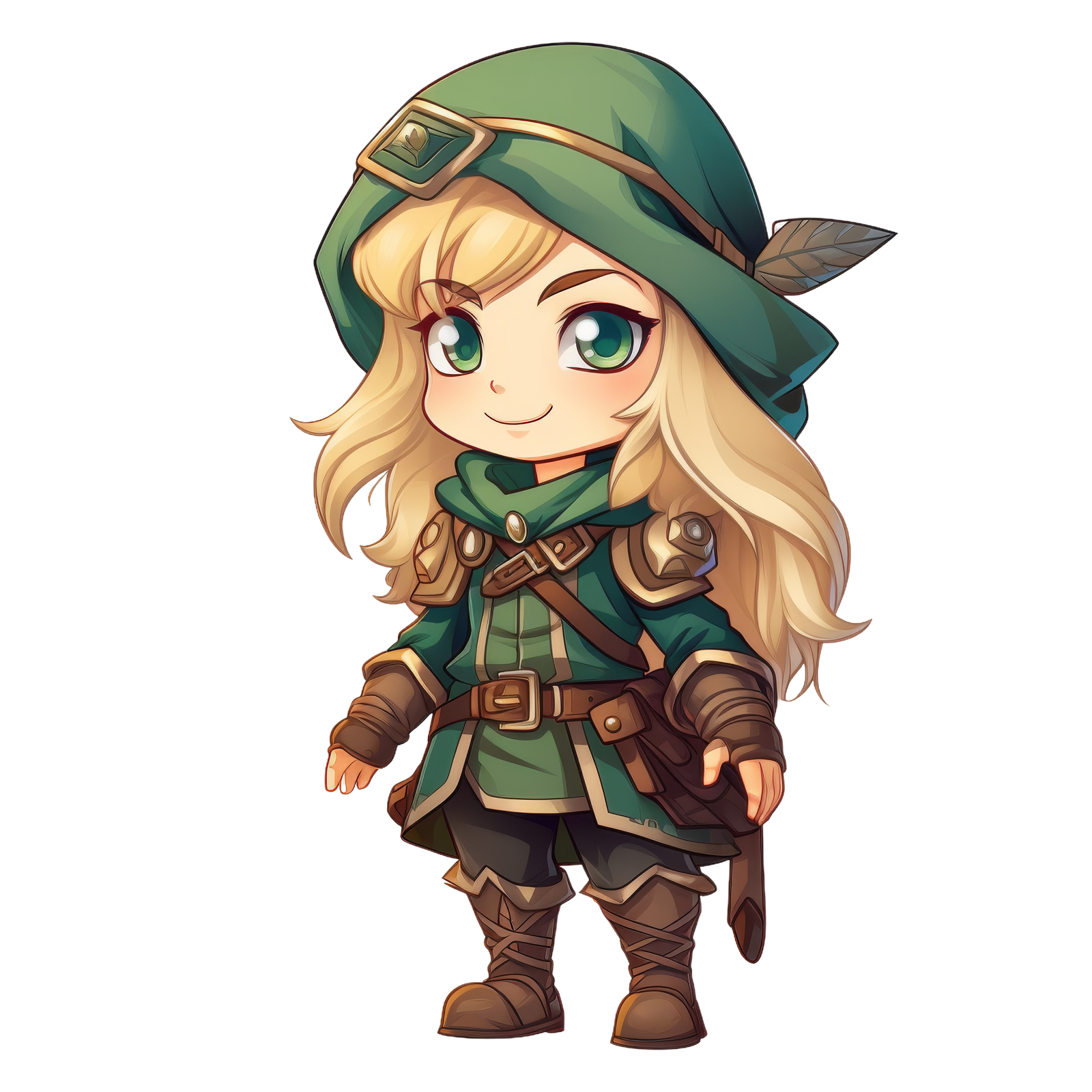
The secret is in the world. Leryenne is a fantasy universe designed so that the decisions made in the game have consequences that feel like those of real life.

They think they're just playing. In fact, they're learning to be better people.

One thing worth knowing: the World of Leryenne is the free story universe behind the Rolin Method, and you can explore it with your child today. The Rolin game, which is the paid part, is coming soon.

See the full method →
🤝
Empathy in action
To move forward in a mission, children have to put themselves in someone else's shoes.
⚖️
Real responsibility
Decisions have consequences inside the game. Their actions are their own.
🛡️
Conflict as raw material
We don't dodge the difficult moments. We turn them into learning.
🎯
Without them noticing
The values work happens out of sight. The game is the vehicle, not the goal.
How it works

The four steps of a Rolin session

1
The mission
The session leader sets up the day's adventure. The children already know Leryenne and are hooked from the first minute.
2
The character
Each child takes on a character with strengths and weaknesses. The children make the decisions, not the session leader.
3
The consequences
Choices have real results inside the game. Empathy and cooperation are tools that actually work.
4
The reflection
At the end of each session, there's a brief link between what happened in the game and real situations from everyday life.
📘 Free guide · PDF
5 practical tools for teaching values to children aged 8 to 12
No unnecessary theory. Things you can start doing tomorrow.
Download it free →
Who it's for

Rolin is for you if...

For families

Your child isn't bad. Or difficult. Or a problem.

They're simply a child who hasn't yet had a place to practise what you ask of them: listening, giving way, cooperating.

  • You want them to really work on their emotions
  • You're looking for more than entertainment
  • You'd like to see real change at home
I'm a parent →
After-school and lunchtime providers

An activity that builds values and strengths, and that you can explain to anyone

Not just something different. An activity children ask to do again, that families notice at home and that school leaders understand without you having to convince anyone.

  • Children ask to come back
  • Families notice real change
  • You can explain the method to school leaders
I'm a provider →
For teachers

You've tried everything. And the conflicts haven't gone away.

That isn't because you're doing your job badly. It's because talking about social-emotional learning in class isn't the same as practising it.

  • Complements your work in the classroom
  • Reaches what lessons can't
  • Built on recognised methodology
I'm a teacher →
For professionals

You have the training. What's missing is a tool children actually want to use.

For psychologists, educational psychologists and therapists looking for a social skills programme with a sound methodological basis – and one that children want to come back to.

  • A structured setting for children who need clear, predictable routines
  • A methodological framework you can justify
  • Coordination with the therapy team
I'm a professional →
Inclusion

Rolin is also for children who need a different kind of space

Group role-play can be especially useful for children who may need more time to read social situations, who find it hard to stay focused or wait their turn, who need more of a challenge, or who have been through bullying. So we use a structured, story-led setting that takes the pressure off being with others and gives real bonds room to form.

Reading social situations Focus and waiting Needing more challenge Experience of bullying
Find out more →
"

Back when we were working in school settings and school dining halls, the children had no idea they were working on empathy. They just knew they wanted to come back.

Anayda  ·  Co-founder of Rolin
Frequently asked questions

What people always ask us

Rolin is designed for children aged 8 to 12. Missions and session length adapt to the age of the group: younger children get more reading and support from the adult, while older ones gain independence. It's the age when social and emotional skills are really taking shape and story-based play has the most impact.
No. Neither the children nor the session leader need any previous experience. When you sign up to Rolin, training is included: videos for the session leader, session manuals with step-by-step guidance and direct support with any questions. Everything you need to start from day one, without relying on anyone's existing know-how.
Between 45 and 60 minutes. It adapts to after-school, lunchtime or workshop formats, and the pace and length of the missions can be adjusted to suit the group.
Rolin happens in person. It takes talking, negotiating and cooperating face to face. The screen (if there is one) is only the backdrop, not the game. Real interaction between children is at the heart of the method.
Many children who say "I don't like role-playing games" have never played one properly designed for their age. Rolin isn't adult D&D. It's an adventure made for 8 to 12-year-olds.
Free guide · PDF

Why your child doesn't learn from lectures
(and what does work)

A practical guide to teaching values to children aged 8 to 12. No unnecessary theory. No magic recipes. Things you can start using tomorrow.

Get the guide by email