The philosophy
You can't teach values by explaining them. Children learn them by living them.
Talking to a child about empathy, responsibility or handling conflict only goes so far. But when that child has to decide whether to help a teammate in trouble during a mission, and that decision changes the course of the story, something real is happening.
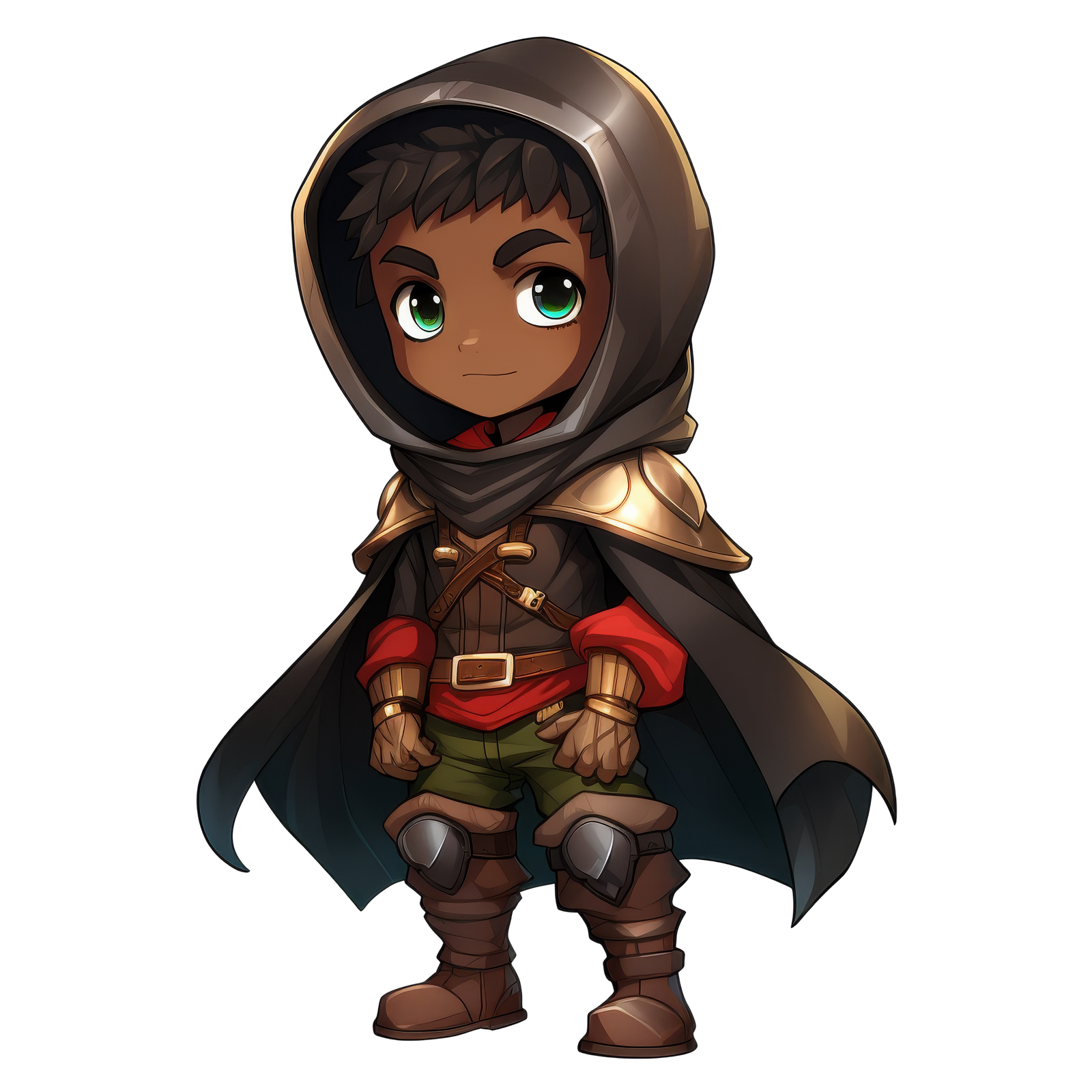
That's Rolin. A setting where decisions have consequences. Where children learn that what they do affects others. And where the values we hope they'll take to heart aren't explained: they're experienced.
The game is the vehicle. Values are the destination.
📖 Why do children know what's right and still not do it? More in our journal →
Experiential learning
What we live through stays with us. What we're told, we forget. Rolin uses direct experience as its main teaching tool.
Repetition with variety
Each mission presents the same challenge in a different way. Values and strengths are practised across many situations, not explained once.
No pressure, no assessment
The game creates a safe space where getting it wrong has no real consequences. That leaves children free to explore and learn without fear of being judged.
A link to real life
At the end of each session, what happened in the game is connected to everyday situations. The bridge between Leryenne and the playground.